A claim that Roth conversions can save 35 percent of associated taxes through depreciation is widely inaccurate. Financial planning experts warn this notion contradicts standard tax rules and is often a red flag. Roth conversions require paying income tax on the full converted amount at ordinary rates, without any fixed depreciation deduction to reduce the taxable portion. This article unpacks why such claims don't hold up and outlines prudent approaches to Roth conversions.
Roth IRA conversions have gained popularity as a tax strategy to shift funds from traditional retirement accounts into accounts where future growth and withdrawals are tax-free. But however, a recent claim circulating among some advisers promises a 35 percent tax savings on Roth conversions by applying a depreciation factor. This assertion is misleading and not supported by tax law or mainstream financial advice.
According to financial planning experts, the idea that a taxpayer can apply a depreciation deduction to reduce the taxable income generated by a Roth conversion is fundamentally flawed. Depreciation is a tax deduction that applies only to certain physical assets, such as real estate or specific alternative investments, where the asset’s value declines over time. Mutual funds and typical holdings in retirement accounts don't qualify for depreciation deductions. Therefore, it's inaccurate to claim that only 65 percent of the conversion amount would be taxable due to depreciation.
The adviser’s pitch often involves the use of a self-directed IRA paired with an LLC, suggesting that expenses or depreciation can be leveraged against the conversion amount. However, this contradicts IRS rules and standard practices, as mutual fund assets, the usual contents of retirement accounts, don't generate depreciation deductions.
Morningstar reported that this kind of unsolicited advice should be treated as a red flag, signaling potential misinformation or sales tactics rather than legitimate tax strategy.
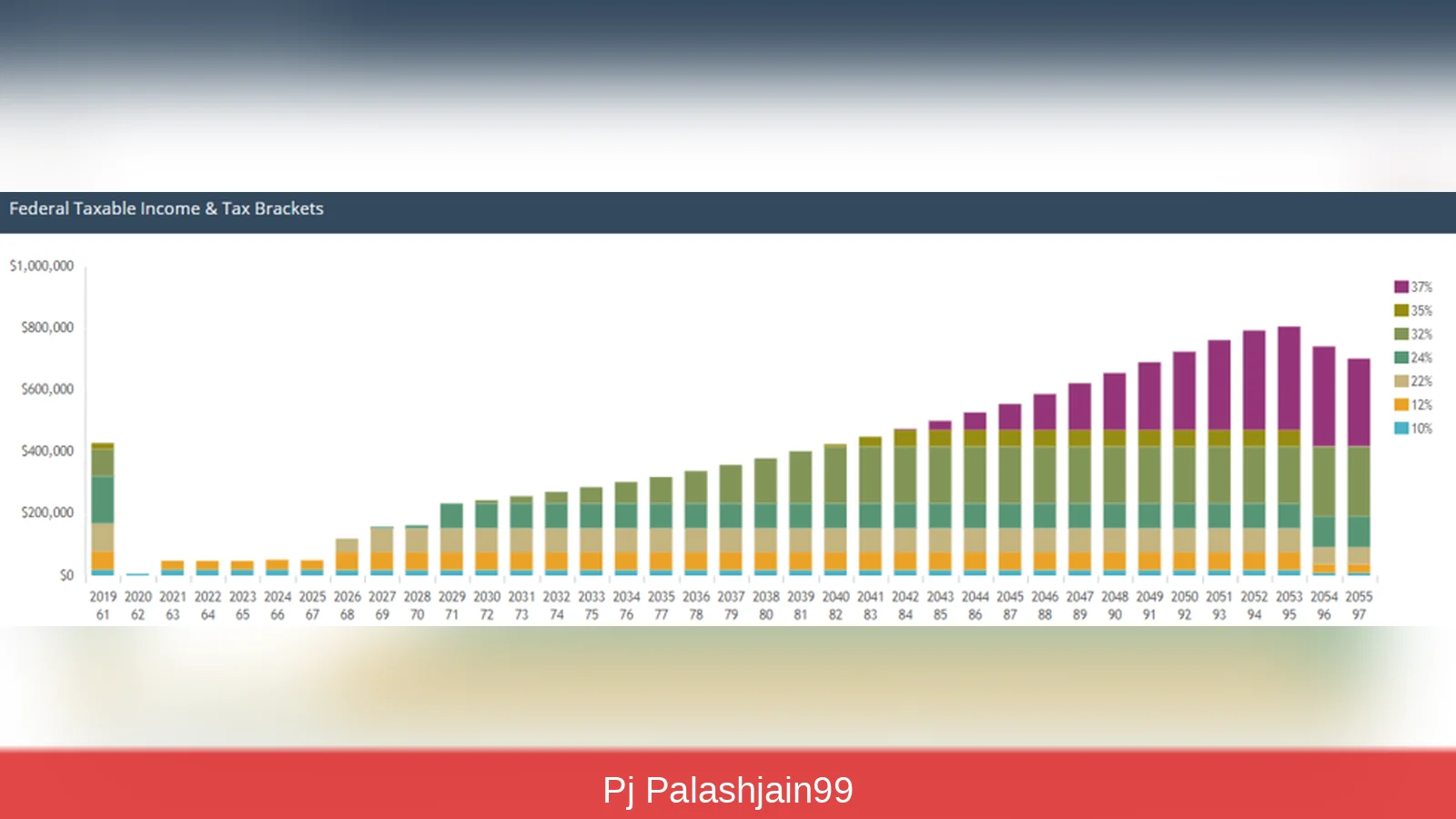
Beyond the incorrect depreciation claim, financial planners caution against lump-sum Roth conversions without a full plan. Converting a large sum in one tax year can push a taxpayer into a higher income tax bracket, inflating the overall tax bill.
A gradual, staged conversion spread over multiple years can manage tax exposure more effectively and prevent unexpected spikes in tax liability. The approach aligns with best practices recommended by fiduciary advisers who tailor strategies to individual financial situations.
It is essential that investors seek advice from fiduciary financial advisers bound to act in their clients’ best interest. The Securities and Exchange Commission (SEC) and the Financial Industry Regulatory Authority (FINRA) regulate these advisers and require transparency regarding fees and risks. Engaging a trusted, certified adviser who understands an individual’s entire financial picture helps avoid misleading claims and conflicts of interest. Random cold calls or unsolicited offers promising large tax savings should be viewed with skepticism, as they often prioritize commissions over client benefit.
The tax benefits of Roth IRAs are well established: tax-free growth and tax-free withdrawals in retirement. However, these benefits don't include a generalized mechanism for reducing taxable income on conversions by a fixed percentage like 35 percent through depreciation or similar deductions. Such claims are typically sales tactics rather than sound financial planning advice.
Investors should also be aware of their rights when dealing with financial advisers. If unethical conduct or mismanagement is suspected, complaints can be filed with regulatory bodies such as the SEC or FINRA. Using advisers recommended through trusted channels and certified by respected organizations helps minimize risks associated with misleading advice.
In sum, the notion of saving 35 percent on Roth conversions through depreciation is inaccurate and should be treated with caution.
Related Articles
- Lilly’s Gene-Editing Shot Cuts Bad Cholesterol Up to 62 Percent
- US Consumer Confidence Rises Modestly Despite Inflation Concerns
Taxpayers considering Roth conversions should focus on comprehensive planning rather than quick fixes like depreciation claims. The next relevant milestones involve annual tax filing deadlines and any future legislative changes from the IRS or Congress that could impact retirement account taxation. Originally reported by marketwatch.com.

